For much of the past decade, enterprise software has focused on making people more productive.
Dashboards delivered insights. Automation simplified workflows. And more recently, AI assistants began helping teams generate content, summarize information, and answer questions.
But a new shift is beginning to take shape.
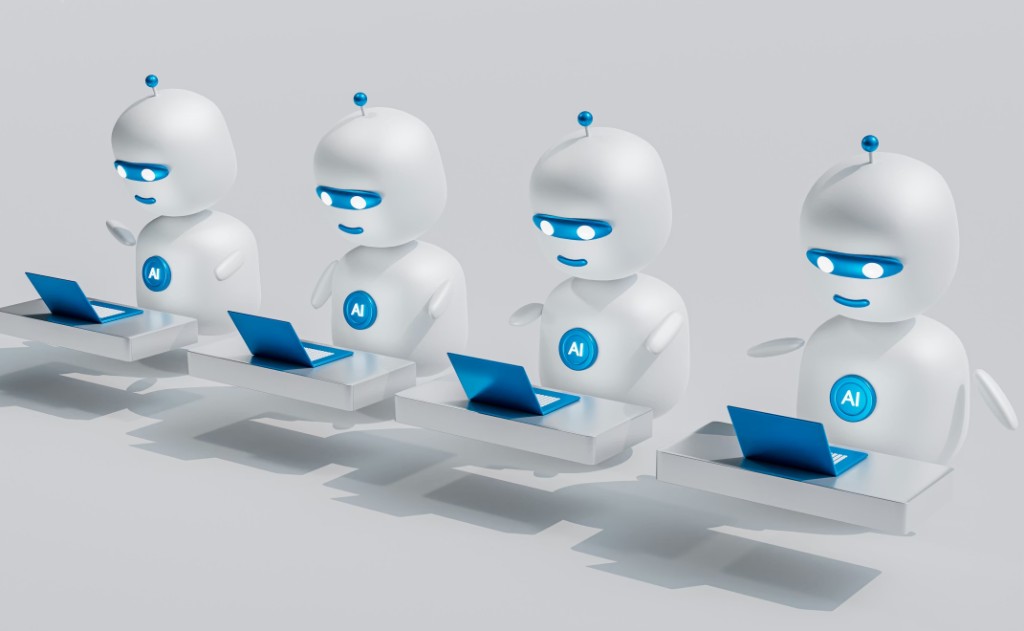
Artificial intelligence is evolving from tools that assist people to systems that execute work alongside them.
This is the foundation of what many organizations are now calling AI agents.
What Makes AI Agents Different?
Traditional automation follows predefined rules.
AI agents operate differently.
They combine reasoning, context awareness, and system integration to execute tasks across software environments.
In practical terms, an AI agent can:
- monitor systems continuously
- analyze operational signals
- trigger actions across platforms
- coordinate multi-step workflows
Rather than waiting for instructions, these systems operate within the digital environment itself.
The Coordination Problem Inside Modern Enterprises
Most organizations today rely on a vast ecosystem of software.
Customer platforms. Engineering pipelines. Data infrastructure. Compliance tools. Internal dashboards.
The challenge is rarely the individual systems.
The challenge is coordination between them.
Employees spend significant time navigating across systems—gathering information, triggering processes, and resolving operational friction.
AI agents introduce an intelligent layer that can connect these systems together.
A New Collaboration Model
Importantly, AI agents do not replace human expertise.
Instead, they change how work is distributed.
Humans focus on strategy, judgment, and creative problem solving.
Agents handle tasks such as:
- monitoring
- analysis
- execution
- coordination
This collaboration allows organizations to operate faster while reducing operational complexity.
The Real Question Leaders Care About
While the concept of AI agents is exciting, executives are ultimately concerned about one thing:
business impact.
If AI agents become embedded in operational systems, where do they actually create measurable value?
The answer is beginning to emerge across several areas where organizations are already seeing strong return on investment from AI deployments.