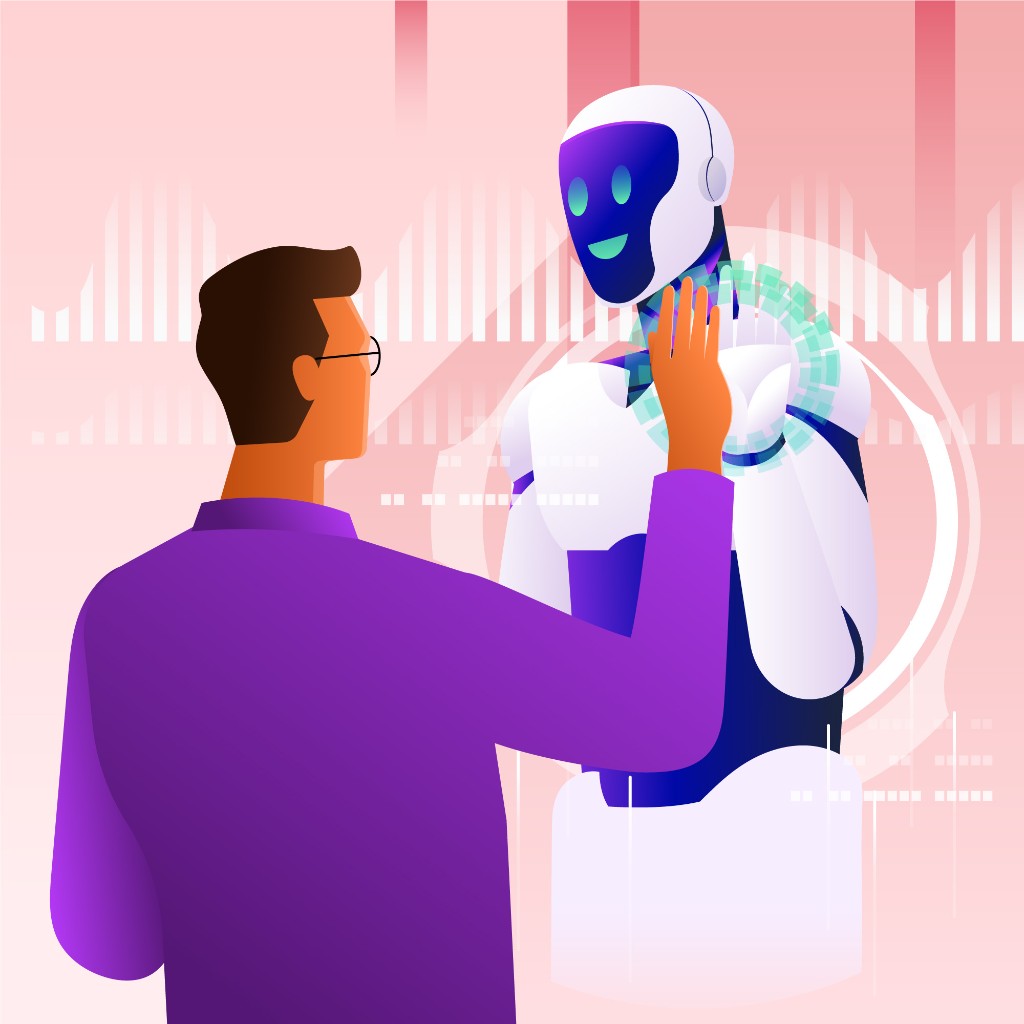
Over the past two years, artificial intelligence has captured global attention.
Every few months, a new model release promises stronger reasoning, larger context windows, and more impressive capabilities. From boardrooms to engineering teams, organizations are exploring how these technologies might transform their operations.
But as companies move from experimentation to implementation, many are discovering an important truth:
AI models are not the hardest problem anymore.
The real challenge is turning AI capabilities into systems that operate reliably in the real world.
The Gap Between Demos and Deployment
Most AI initiatives begin with a proof of concept.
A team connects a model to a dataset, builds a prototype, and demonstrates a promising outcome. In controlled environments, the results can be impressive.
But enterprise systems rarely operate in controlled environments.
Real-world deployments must handle:
- legacy infrastructure
- fragmented data sources
- strict compliance requirements
- evolving operational workflows
- unpredictable edge cases
An AI system that works perfectly in a demo environment may struggle once introduced into this complexity.
This gap explains why many organizations today have dozens of AI pilots but very few production deployments.
AI Is Becoming Infrastructure
The companies successfully scaling AI are approaching the problem differently.
Rather than treating AI as an isolated tool, they treat it as operational infrastructure.
Just as cloud computing eventually became the backbone of modern software, AI is beginning to embed itself into the systems that run everyday operations.
Examples include:
- intelligent testing pipelines
- automated compliance monitoring
- predictive operational analytics
- workflow coordination systems
In these environments, AI is no longer an experiment. It becomes part of how the organization works.
The Next Question Leaders Are Asking
As organizations begin integrating AI into operational systems, a new question naturally emerges:
If AI can become part of our infrastructure, how does it actually interact with our workflows?
This is where the next major development in enterprise AI is taking shape.
Increasingly, AI is not just embedded in systems.
It is acting within them.
And that shift is giving rise to a new class of technology: AI agents.